The Forgotten Intoxication: Why We Overlook the Drugs of the Ancient World

by Kelly Penrod, LCDC
When I look back at the ancient world through the eyes of a drug counselor, I see something we’ve rarely named out loud: people seeking relief in a chaotic world. We know the stories of gods and empires, of prophets and plagues, but we often forget that those same people drank, smoked, inhaled, and swallowed their way toward meaning. Long before the word addiction existed, the longing for escape did.
The Romans poured wine into everything. It was safer than water, easier to trade than grain, and central to every ritual. Archaeologists have found traces of myrrh and frankincense in amphorae (sweet resins that altered mood when mixed with alcohol). At banquets, philosophers debated truth while their goblets shimmered with psychoactive perfume. Dionysus, the god of wine, was more than a myth; he was a mirror for humanity’s need to lose control, if only for a night.
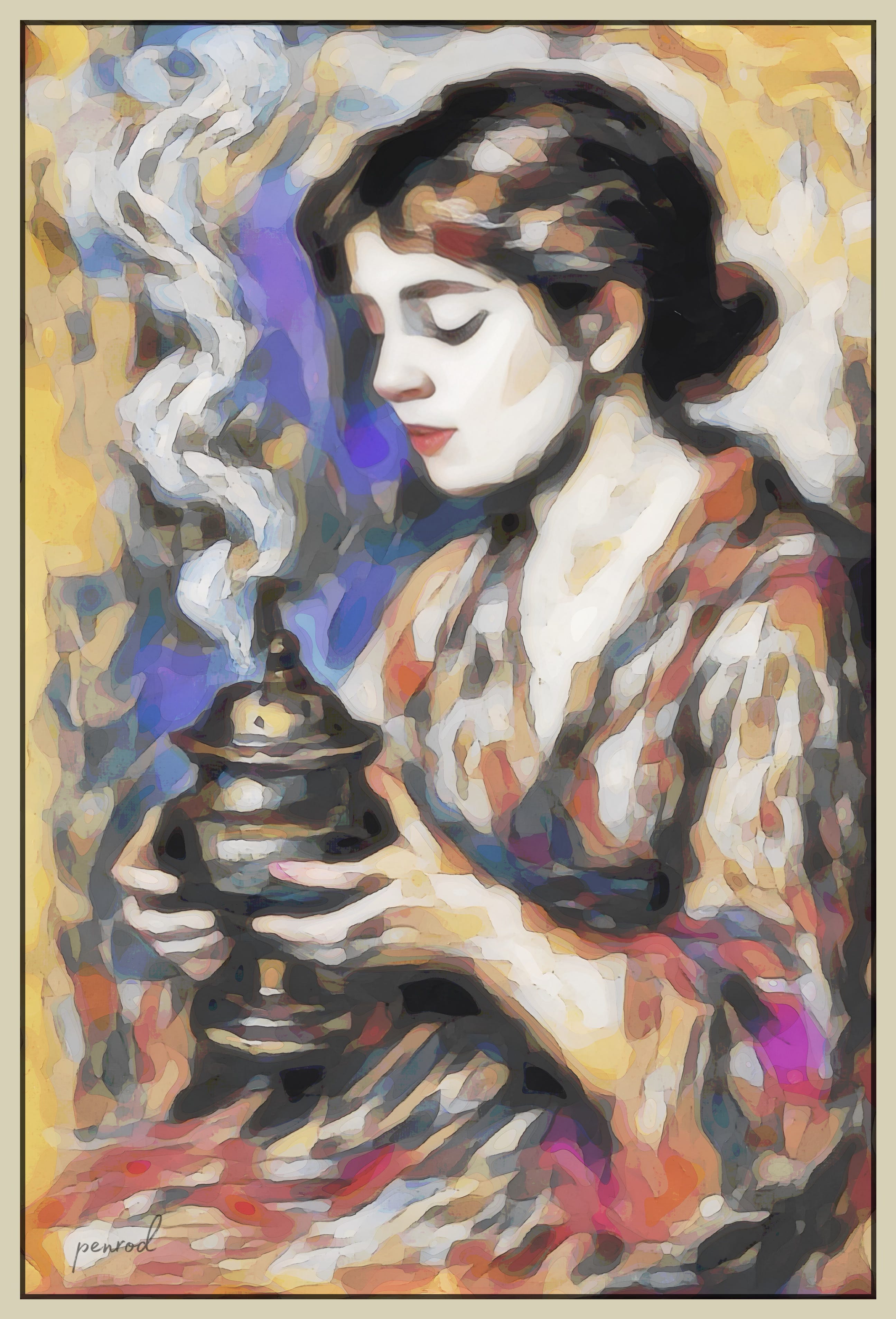
In the deserts east of Jerusalem, priests burned incense that we now know contained cannabis resin. The smoke filled the temple until worshipers swayed in rhythm, breathing the sacred into their lungs. In Egypt, healers brewed opium from the poppy and offered it to ease pain or open the door to dream. The same plant that calmed the dying also inspired poets and prophets. For them, chemistry was not separate from spirituality; it was the path to it.
Neurobiologist Robert Sapolsky has pointed out that experiences we now describe as schizophrenic - visions, voices, certainty of divine purpose - were once seen as holy. In a world without psychiatry, revelation and psychosis looked very similar. Prophets, mystics, and tricksters all spoke in the language of ecstasy. Whether their minds were touched by trauma, chemistry, or faith, their words carried electricity, and the memes they created, parables, prayers, stories of resurrection, replicated for centuries.
Why do we overlook this? Perhaps because the idea that faith and pharmacology share roots feels uncomfortable. Yet when we consider how the ancient world lived, disease, war, oppression, hunger, it would be surprising not to find people reaching for substances that softened reality. Relief was survival. Wine dulled grief; incense masked decay; opium soothed wounds both physical and existential. These were not vices. They were technologies of coping.
When Jesus turned water into wine, perhaps the miracle was not about the chemistry but the compassion. To give the suffering something that eased their pain was an act of empathy. He lived in a culture already steeped in symbolic and literal intoxication. The Romans called wine spiritus, the same word that would later mean soul. The connection between spirit and spirituous drink was not accidental; both changed how people felt inside their bodies.
And just as intoxicants shaped daily life, they also shaped politics and power. Control of the grape, the poppy, the resin, or the salt tax meant control of the population. Empires waged economic wars over what numbed or awakened their citizens. Even today, we fight our own wars over who gets to use what, and why. The battleground simply moved from vineyard and temple to legislature and laboratory.
When I hear clients speak about addiction, I often think of these ancestors. “I just want the noise to stop,” they say. Two thousand years ago, someone in a Roman tavern or Judean marketplace probably whispered the same thing. Addiction is not a failure of morality; it is a symptom of overwhelm. The substances change, but the need does not.
If we read history through this lens, even the great divisions of religion and empire look different. Behind the banners of faith were economies of intoxication, trade in wine, incense, and medicines that both soothed and enslaved. Power itself became the ultimate drug, offering its own high of control and denial. The empires that persecuted the drunkard and the addict were addicted themselves to conquest and certainty.
We have always been a species that seeks altered states. Fasting, chanting, prayer, and substance all serve the same neural hunger: to feel whole. Maybe that’s why these stories still matter. They remind us that humanity’s reach for God and its reach for relief have never been separate gestures—they are both expressions of the same longing.
As a counselor, I think of this often. The point isn’t to excuse or promote substance use, but to notice how deeply it has been woven into human survival, memetically. For thousands of years, people have reached for something, wine, ritual, story, or faith, to soften the ache of being alive. Shame and judgment have never broken that pattern; they only drive it deeper underground. What heals is understanding. Beneath every behavior lies a longing for safety, and throughout history we’ve built entire memetic structures i.e., religions, myths, moral codes, to hold that longing. These stories offer coherence where chaos reigns, helping us believe that relief is possible, that someone or something is holding us. Whether it’s the ritual of communion or the rhythm of recovery, we keep recreating containers for the same need: to feel safe enough to be human. The chemistry may change across centuries, but the search for safety and the stories that sustain it, remain the same.
I just read your article on the forgotten intoxication. It is supreme and true and thoughtful and necessary. Thank you for that. Maybe that becomes part of the presentation at the Jung center. You are amazing! So glad you're a part of my life